Introduction
Your home should be the place where you feel safest, most relaxed, and fully at ease. But a truly healthy home environment goes beyond just looking clean—it directly affects your physical health, mental well-being, and daily productivity. From the air you breathe to the surfaces you touch, every detail plays a role in shaping your lifestyle.
Many people unknowingly live in spaces filled with dust, allergens, poor air quality, and clutter, which can lead to stress, fatigue, and even health problems. The good news? Creating a healthy home doesn’t require expensive upgrades or complicated routines. With a few smart habits and practical changes, you can transform your living space into a cleaner, safer, and more comfortable environment.
In this guide, you’ll discover simple, effective strategies to build a healthy home environment that supports both your body and mind.
Why a Healthy Home Environment Matters
Your home environment has a direct impact on your daily life. Poor indoor conditions can contribute to allergies, respiratory issues, fatigue, and reduced focus. On the other hand, a clean and well-maintained home promotes better sleep, improved mood, and overall health.
Key benefits of a healthy home:
- Reduces exposure to dust, bacteria, and allergens
- Improves indoor air quality
- Boosts mental clarity and reduces stress
- Enhances comfort and productivity
- Prevents illness and infections
A healthier home leads to a healthier life—it’s that simple.
Improve Indoor Air Quality Naturally
Clean air is one of the most important aspects of a healthy home.
Let Fresh Air In
Open windows daily to allow proper ventilation. Fresh air helps remove indoor pollutants and reduces humidity.
Reduce Indoor Pollutants
Common sources include:
- Smoke
- Dust
- Chemical cleaners
- Mold
Switch to natural cleaning products and avoid smoking indoors.
Add Indoor Plants
Plants like snake plant and aloe vera can help improve air quality and add a calming feel to your space.
Maintain Cleanliness Without Overcomplicating
A clean home doesn’t mean spending hours every day cleaning—it’s about consistency.
Daily Cleaning Habits
- Wipe surfaces like tables and kitchen counters
- Sweep or vacuum high-traffic areas
- Keep dishes clean to avoid bacteria buildup
Weekly Deep Cleaning
- Mop floors
- Clean bathrooms thoroughly
- Wash bedsheets and pillowcases
Small daily habits prevent dirt from building up into bigger problems.
Control Dust and Allergens
Dust is one of the biggest hidden issues in most homes.
How to Reduce Dust
- Use microfiber cloths for cleaning
- Vacuum carpets regularly
- Keep windows and curtains clean
Wash Fabrics Frequently
Curtains, cushions, and rugs trap dust and allergens. Washing them regularly improves air quality significantly.
Manage Humidity and Prevent Mold
Too much moisture in your home can lead to mold growth, which is harmful to your health.
Ideal Humidity Level
Keep indoor humidity between 40–60%.
Tips to Control Moisture
- Fix leaks immediately
- Use exhaust fans in kitchens and bathrooms
- Dry wet areas quickly
Mold can grow silently, so prevention is key.
Keep Your Kitchen Hygienic
The kitchen is one of the most important areas to keep clean.
Safe Food Practices
- Store food properly
- Clean spills immediately
- Avoid leaving food uncovered
Clean Cooking Surfaces
Wipe countertops, stoves, and sinks daily to prevent bacteria growth.
Create a Healthy Sleeping Environment
Good sleep starts with a clean and comfortable bedroom.
Keep Bedding Clean
Wash sheets and pillowcases at least once a week.
Reduce Clutter
A clutter-free bedroom helps your mind relax and improves sleep quality.
Improve Airflow
Ensure proper ventilation to keep the room fresh.
Reduce Chemical Exposure
Many household products contain harmful chemicals.
Choose Safer Alternatives
- Use natural cleaning solutions like vinegar and baking soda
- Avoid strong artificial fragrances
- Limit the use of harsh disinfectants
Reducing chemical exposure protects your skin, lungs, and overall health.
Organize Your Space for Mental Clarity
A cluttered home often leads to a cluttered mind.
Declutter Regularly
Get rid of items you don’t use. Keep only what adds value to your life.
Smart Storage Solutions
Use shelves, boxes, and organizers to keep things tidy and accessible.
An organized home reduces stress and improves productivity.
Personal Hygiene and Home Hygiene Connection
Your personal habits directly affect your home environment.
Simple Habits That Help
- Remove shoes before entering
- Wash hands frequently
- Change clothes after coming from outside
These habits reduce the amount of dirt and bacteria entering your home.
Safety Measures for a Healthier Home
A healthy home is also a safe home.
Basic Safety Tips
- Keep cleaning products out of reach of children
- Ensure proper lighting in all areas
- Check electrical appliances regularly
Safety prevents accidents and creates peace of mind.
Healthy Home Habits for Families
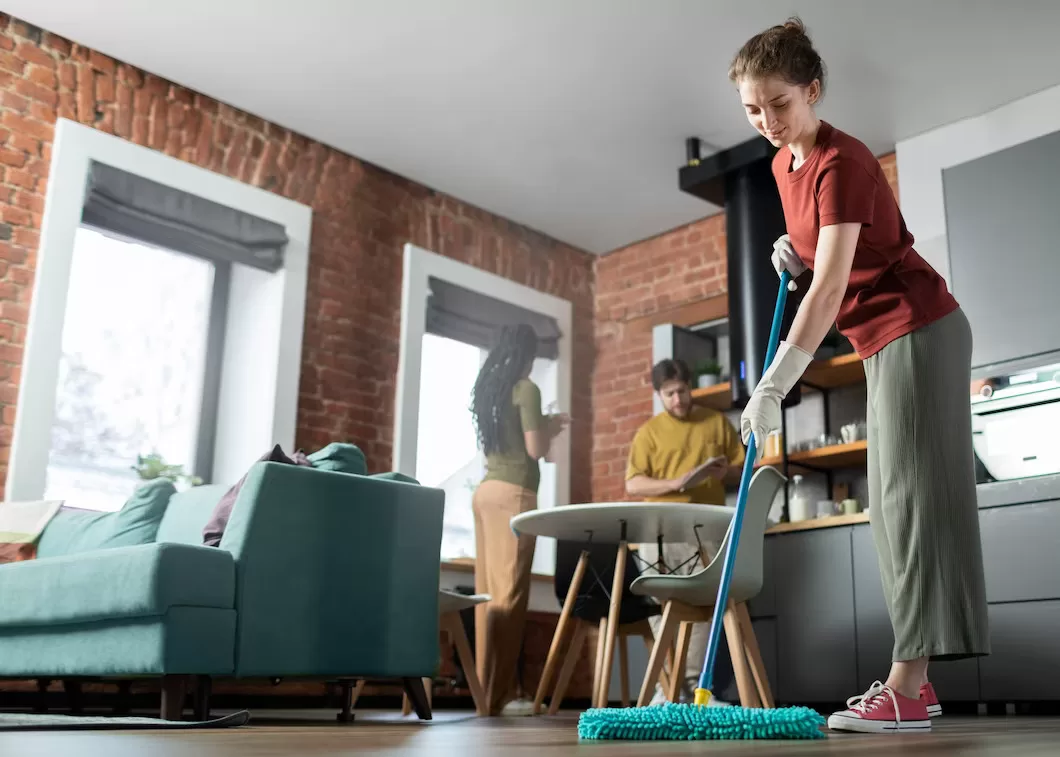
If you live with family, everyone should contribute to maintaining a healthy environment.
Involve Everyone
- Assign simple cleaning tasks
- Teach children basic hygiene habits
- Maintain shared responsibility
A team effort makes maintaining a healthy home easier and more sustainable.
Common Mistakes to Avoid
Even with good intentions, some habits can harm your home environment.
Ignoring Ventilation
Closed spaces trap pollutants and moisture.
Overusing Chemical Cleaners
Too many chemicals can harm indoor air quality.
Skipping Regular Cleaning
Inconsistent cleaning leads to buildup of dirt and bacteria.
Simple Daily Checklist for a Healthy Home
Daily:
- Open windows for fresh air
- Clean surfaces
- Keep clutter under control
Weekly:
- Wash bedding
- Deep clean floors and bathrooms
- Dust furniture and fabrics
Consistency is the key to maintaining a healthy home.
FAQ Section
1. How can I improve air quality at home naturally?
Open windows regularly, reduce indoor pollutants, and add indoor plants. Avoid smoking and use natural cleaning products.
2. How often should I clean my home?
Light cleaning should be done daily, while deep cleaning tasks can be done weekly.
3. What is the biggest cause of poor home hygiene?
Dust, poor ventilation, and clutter are the most common causes.
4. Are natural cleaning products effective?
Yes, natural products like vinegar and baking soda can effectively clean without harmful chemicals.
5. How do I keep my home healthy on a budget?
Focus on simple habits like regular cleaning, proper ventilation, and decluttering—these cost little but make a big difference.
Conclusion
Creating a healthy home environment doesn’t require perfection—it requires consistency and smart habits. By improving air quality, maintaining cleanliness, reducing clutter, and minimizing chemical exposure, you can turn your home into a safe and comfortable space for everyday living.
Start with small changes, build simple routines, and stay consistent. Over time, these habits will transform your home into a place that truly supports your health, happiness, and peace of mind.